Skip to content Skip to footer
VANTAGE DRONE SCHOOL · HYBRID ADVANCED TRAINING

DRONES FOR FIRE DEPARTMENT OPERATIONS

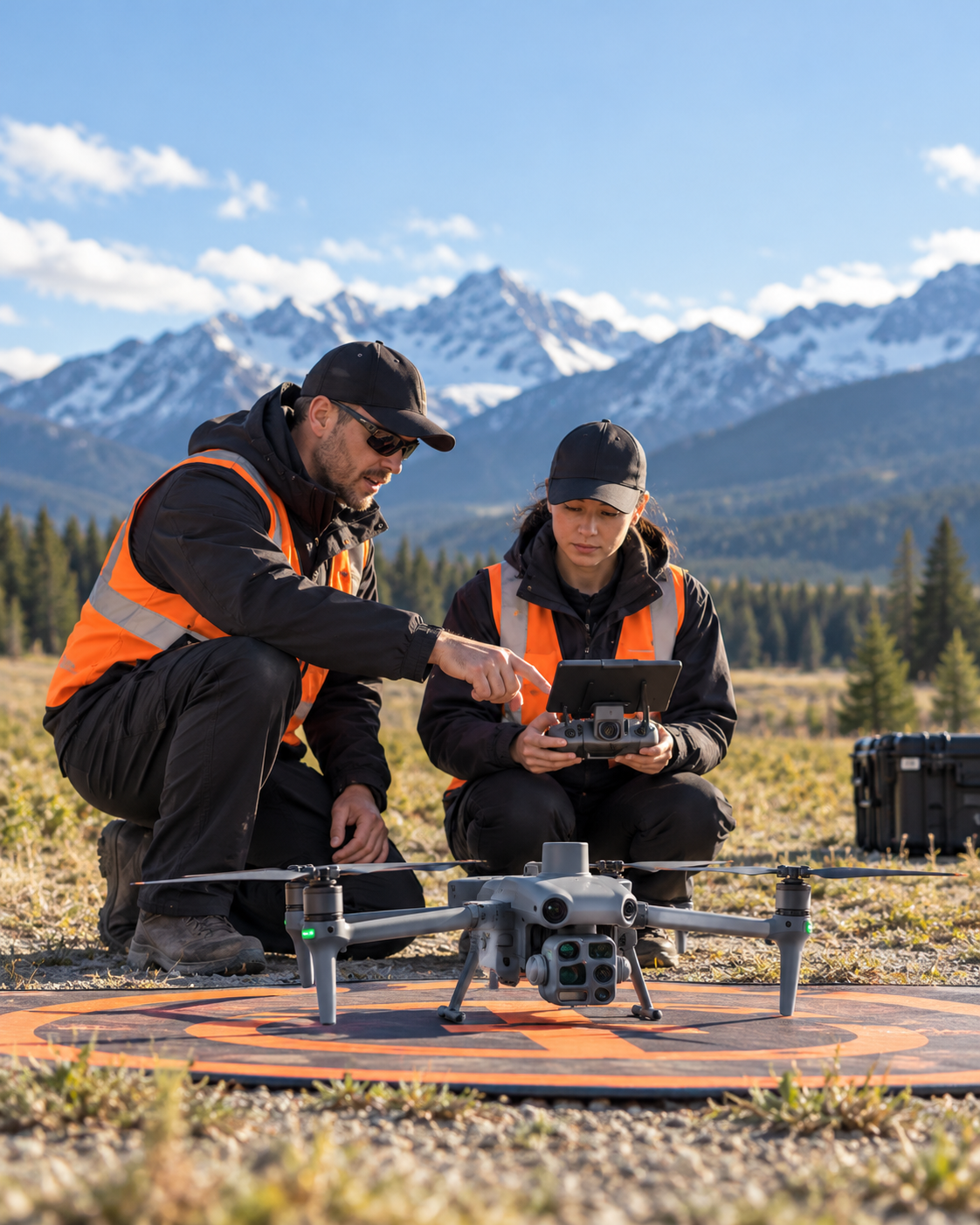
Prepare your department to use drones in fire-related operations. This Hybrid Advanced Training package combines Advanced Operations instruction with three days of practical training focused on thermal imaging, aerial reconnaissance, incident coordination, and fire department workflows.

TRAINING & FORMAT Advanced + 3-Day Practical
LOCATION Carman, MB or Agency Site
PRICING & DETAILS $3,500 | Flight Review Included

FIRE OPERATIONS COURSE INQUIRY

WHAT YOU'LL LEARN

FIRE DEPARTMENT DRONE OPERATIONS

Learn how drones can support fire departments through aerial observation, thermal imaging, incident assessment, and coordination with established emergency response procedures.

01

TC Compliance for Fire Operations

Understand the Transport Canada requirements relevant to fire department drone operations, including CARs Part IX, applicable operator requirements, restricted airspace, and regulatory responsibilities around emergency incidents.

02

Thermal Imaging Fundamentals

Learn how thermal cameras work, including emissivity, heat signatures, thermal colour palettes, and hotspot identification. Explore practical applications using the DJI Matrice 4T thermal platform.

03

Pre-Attack Reconnaissance

Understand how drones can support initial scene assessment, fire perimeter observation, spotfire identification, exposure assessment, water supply access, and communication of aerial information to incident command.

04

Incident Command System Integration

Explore how drone operations fit within the Incident Command System, including the Air Operations Branch, communication procedures, incident documentation, and drone unit operating procedures.

05

Structural & Wildfire Operations

Learn about structural condition assessment, roof and collapse zone observation, wildfire perimeter identification, evacuation route assessment, and the role of drones during interface fire operations.

06

Hazmat Operations

Explore the use and limitations of thermal observation in hazardous-material incidents, standoff considerations, plume monitoring, coordination with hazmat teams, and operating restrictions around hazardous environments.

07

Night & Reduced Visibility

Understand Transport Canada's night operating requirements, anti-collision lighting, thermal camera applications, smoke-related visibility challenges, and safe operational decision-making.

08

Search & Rescue Support

Learn about aerial missing-person search patterns, thermal search techniques, integration with ground search teams, and coordination with incident command during search activities.

09

Airspace Management Near Fire Zones

Understand temporary restricted airspace, coordination with relevant aviation authorities, procedures around active fire zones, and separation between crewed and uncrewed aircraft.

10

Post-Fire Documentation

Explore aerial damage assessment, thermal support during overhaul, photogrammetry for scene mapping, evidence handling, and maintaining reliable incident documentation records.

11

Building an Agency Drone Program

Understand the requirements involved in developing an agency drone program, including organizational responsibilities, pilot selection, training and recency, fleet registration, maintenance records, and administration.
REGULATORY ALIGNMENT & SCOPE CARs Part IX | RPOC Framework | Temporary Restricted Airspace Procedures | CAR 901.65 (Recency) | CAR 901.33 (Incident Reporting) Curriculum Scope Note: These eleven modules are documented in A1-201. Lynne must confirm how they are delivered within the new Hybrid package.
YOUR VALUE & RESULTS

WHAT YOU'LL GAIN FROM THIS TRAINING

Develop the operational knowledge and practical understanding needed to integrate drone capability into fire department work.

01

Incident Command Integration

Understand how drone operations can be coordinated within the Incident Command System.

02

Thermal Imaging Knowledge

Learn to interpret thermal imagery for fire-related observation and assessment.

03

Aerial Reconnaissance

Understand how to plan aerial assessments and communicate observations through command channels.

Fire Department Drone Training Experience
Fire Operations Training
04

Fire Zone Airspace Awareness

Develop familiarity with operating requirements within and around restricted airspace.

05

Agency Drone Program Planning

Understand the organizational requirements involved in establishing and managing a fire department drone program.

06

Incident Documentation

Learn the principles of aerial evidence documentation and defensible record handling.

PLAN YOUR TEAM TRAINING

BRING DRONE TRAINING TO YOUR DEPARTMENT

Tell us about your department, number of operators, and training objectives. Vantage Drone School will help you review the program, group pricing, and scheduling options.

TRAINING INQUIRY

REQUEST FIRE DEPARTMENT TRAINING INFORMATION

Complete the form below and Vantage Drone School will contact you to discuss program details, pricing, and scheduling.

TRAINING FAQ

FIRE DEPARTMENT TRAINING FAQ

Fire departments, emergency management teams, incident commanders, and public safety personnel developing drone operating capability.

Yes. The Hybrid Advanced Training package includes a three-day practical component in addition to Advanced Operations training.

Yes. Flight Review is included, subject to applicable candidate eligibility requirements.

Yes. Group training options and group discounts are available by inquiry.

Agency-site delivery is identified in the A1-201 source curriculum. Contact Vantage Drone School to confirm availability, equipment arrangements, and location requirements for the Hybrid package.

Go to Top

Request a Quote

Inquiring about: This Product

OR SUBMIT A FORMAL QUOTE REQUEST BELOW